When discussing the dangers of asbestos, one of the most common questions our clients ask is, “Why was asbestos used in buildings in the first place?” It’s a fair question, especially given how hazardous this material has proven to be. The answer lies in its incredible properties, which once made it the darling of the construction industry. For decades, asbestos was viewed as a miracle material, offering durability, fire resistance, and insulation at a low cost. However, its widespread use came to a halt as the severe health risks associated with it became undeniable. This article will explore the history of asbestos use, why it was so popular, and how it ultimately fell out of favour.
What Is Asbestos?
Asbestos refers to a group of naturally occurring minerals that are composed of fine, fibrous crystals. These minerals possess a unique combination of properties that made them highly desirable in construction and manufacturing. Asbestos fibres are incredibly strong, resistant to heat and chemicals, and flexible enough to be woven into fabrics or mixed with other materials. This versatility gave asbestos an almost mythical reputation as the ultimate building material.
The Different Types of Asbestos
There are several types of asbestos, each with its own properties and applications. The three most common types include:
- Chrysotile (white asbestos): This was the most widely used form of asbestos, particularly in building materials.
- Amosite (brown asbestos): Known for its exceptional strength and heat resistance, it was frequently used in insulation and cement products.
- Crocidolite (blue asbestos): While extremely heat-resistant, it is brittle and less durable than other types, but it was often used in specialised applications.
Less commonly encountered types of asbestos include anthophyllite, tremolite, and actinolite. These were not used as extensively but can still be found in certain older materials.
The Rise of Asbestos in Construction
Asbestos gained popularity because it provided solutions to some of the most pressing challenges in construction. Builders needed strong, affordable materials capable of withstanding the elements. Asbestos ticked all these boxes. Its natural resistance to fire made it invaluable for improving building safety, while its excellent insulation properties helped regulate temperatures in homes and offices. Furthermore, asbestos was remarkably durable and didn’t degrade easily, ensuring that structures built with it could stand the test of time. It also bonded well with other materials, such as cement, which made it incredibly versatile.
During its heyday, asbestos was integrated into many construction products. From roofing to wall panels, its applications seemed endless. It was affordable, easy to work with, and met the needs of a booming post-war construction industry. At the time, it seemed as though asbestos was the perfect solution for modern building challenges.
Applications of Asbestos in Building Products
Asbestos was not limited to a few niche uses. Instead, it became a staple ingredient in countless construction materials, such as:
- Roofing materials: Asbestos cement was commonly used to create weatherproof and durable roofing tiles.
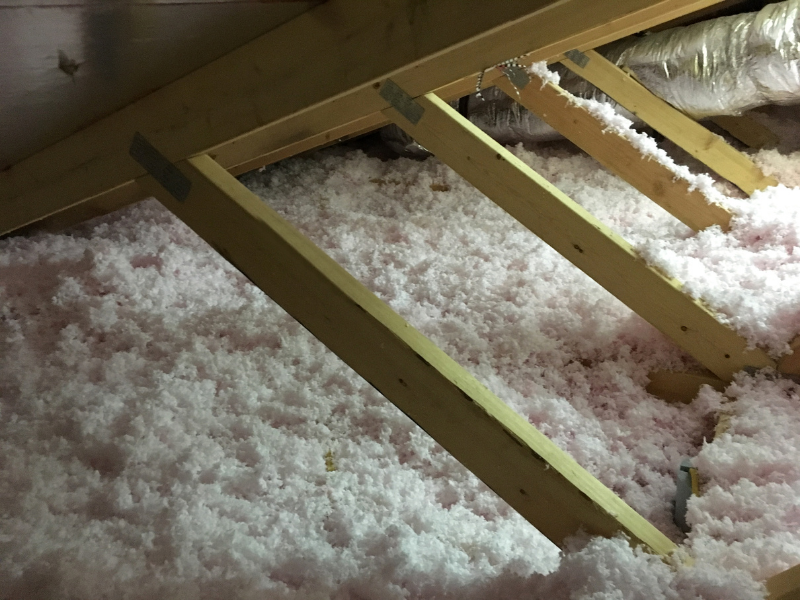
- Insulation: Asbestos was widely used in pipe insulation, attic insulation, and boilers due to its thermal properties.
- Flooring: It was often blended into vinyl tiles and flooring to improve their strength and longevity.
- Fireproofing: Sprayed asbestos coatings provided a layer of protection against potential fires in buildings.
- Wall panels: Asbestos-reinforced panels helped keep homes warm during colder months.
These uses highlight how deeply embedded asbestos became in the construction industry. It seemed like a wonder material that could do it all.
The Hidden Dangers of Asbestos
Despite its many benefits, asbestos comes with a dark and deadly downside. Tiny asbestos fibres, when disturbed, could become airborne and inhaled. These fibres are virtually invisible to the naked eye but can lodge in the lungs and remain there for decades. Over time, this exposure leads to serious health conditions, including:
- Asbestosis: A chronic lung disease that causes scarring of lung tissue.
- Lung cancer: Prolonged exposure to asbestos significantly increases the risk of developing lung cancer.
- Mesothelioma: A rare but aggressive form of cancer almost exclusively linked to asbestos exposure.
The health risks associated with asbestos often take years to manifest, making it even more insidious. By the time symptoms appear, the damage is often irreversible.
The Decline of Asbestos Use
By the 1970s and 1980s, the tide began to turn against asbestos. Scientific research and public awareness campaigns revealed the true extent of its health risks. Governments around the world introduced regulations to limit its use, and many countries began to phase it out entirely. In the UK, a complete ban on asbestos was enforced in 1999.
The decline of asbestos marked a significant shift in the construction industry as manufacturers scrambled to find safe and effective alternatives.
Modern Alternatives to Asbestos
Thankfully, several materials have been developed to replace asbestos, offering similar benefits without the associated risks. These include:
- Fibreglass insulation: A lightweight and safe alternative for thermal insulation.
- Cellulose: An eco-friendly option made from recycled paper.
- Mineral wool: A versatile material that provides excellent fireproofing and insulation.
These alternatives have allowed the construction industry to move forward without compromising on safety or efficiency.
How to Identify Asbestos in Older Buildings
If your property was built before the 2000s, it may still contain asbestos. Common signs include:
- Textured wall coatings such as Artex.
- Old roofing shingles.
- Insulation materials around pipes or boilers.
It’s essential to approach asbestos identification and removal with caution. Disturbing asbestos can release harmful fibres into the air, putting your health at risk.
The Importance of Safe Asbestos Removal
Removing asbestos safely requires expertise and the right precautions. Here’s what you should do:
- Hire a professional: Never attempt to remove asbestos yourself. Always consult certified experts.
- Request an asbestos survey: An asbestos survey will help you locate asbestos within your property.
- Seal or remove: Asbestos may be encapsulated or safely removed depending on its condition.
The Legacy of Asbestos
Despite its tragic legacy, asbestos was pivotal in shaping the modern construction industry. Its story serves as a powerful reminder of the need to balance innovation with safety. Today, stringent regulations ensure that modern buildings are asbestos-free, but the lessons learned from its use remain invaluable.
- Triumph and Tragedy
Asbestos was once hailed as the ultimate building material, but its rise and fall tell a story of both triumph and tragedy. While its properties made it indispensable for decades, the health risks it posed could not be ignored. Thankfully, safer alternatives have now replaced asbestos, ensuring a brighter and safer future for the construction industry.