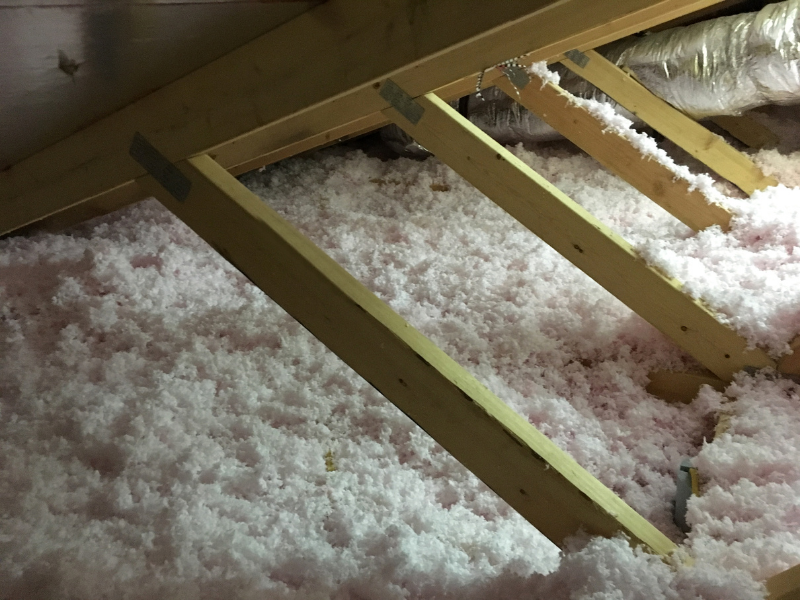
Britain is facing a deluge of asbestos-related deaths. For many years, the consistent approach of various governments has been to keep asbestos in place as long as it is sealed, painted over, or intact enough that it isn’t releasing fibres.
However, many campaigners argue that this policy should be abandoned, as numerous hospitals, schools, and other public buildings have become outdated and deteriorating.
The danger caused by deteriorating asbestos-containing materials is mesothelioma, a cancer that develops in the mesothelium, the membrane that covers the lungs, abdomen and heart.
The cancer is caused by inhaling tiny fibres of asbestos. There is no cure, and treatments such as chemotherapy and immunotherapy can only slow down its growth. Once diagnosed, most patients die within 18 months.
Asbestos was widely used in the UK in public and domestic buildings as a form of insulation and a fire retardant for decades – found in everything from ceiling tiles to toasters, corrugated roofing and ironing boards before finally being banned in 1999.
As a result of its widespread use, the UK now has the highest mesothelioma mortality rate in the world. And the tide of people being diagnosed with the disease is growing.
It can take 20 to 60 years between exposure and developing symptoms – such as abdominal and chest pains, coughing and breathlessness – and the fear is that many people are living with a ticking time bomb inside them.
The Daily Mail has joined campaigners in calling for government action to remove all remaining asbestos from public buildings, including over 21,000 schools. They also demand the establishment of a national online database that lists every non-domestic building in the country known to contain asbestos.
A recent article published in the Daily Mail describes how, recently, several middle-aged people have been diagnosed with asbestos-related diseases, many of them terminal. These people likely came into contact with asbestos at a very young age, as this dangerous mineral was not completely banned in the UK until 1999 and remains in many public buildings throughout the country, where it is managed rather than removed.
This report discusses the main points of the Daily Mail article, exploring the types of asbestos-related diseases now affecting young and middle-aged people.
Dangers Lurking In School Supplies
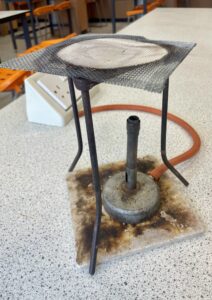
One individual, a 36-year-old transport manager, lives in Bradford with his partner and their two young children, aged nine and seven. He says he is so weak and helpless that on a recent family outing, he had to hire a mobility scooter. Just a few months before, he played rugby and participated in charity bike rides. He has never worked with asbestos, and one theory is that asbestos was in the ceiling tiles in his school or the bunsen burner mats used in science lessons.
Working in a Mill
Another casualty, a retired teacher from Rochdale, believes she came into contact with asbestos in 1976 when she was just 16 and working as a receptionist in a carpet mill. She had to take messages to a room where maintenance staff worked on pipework with asbestos insulation.
When she developed a dry cough in 2021, her GP suspected long Covid, but a CT scan showed a shadow on her left lung, and a subsequent biopsy revealed incurable mesothelioma.
She has had chemotherapy and immunotherapy to keep the cancer at bay but she is running out of options and time.
Lived in a Very Old Building
A 44-year-old full-time mother lives in Cheltenham with her husband; they have four children aged from five to 22. She says woke up from an operation to remove a suspected gallstone to learn that the lump in her stomach was actually cancer – peritoneal mesothelioma.
That was last July, and she has, at best, two years to live. She is still in shock and can’t pinpoint how she came in contact with asbestos, although she says she did once live in a very old building.
Her youngest child is just five years old. He only knows his mummy has a pain in her stomach. Her older children (aged 17, 18 and 22) know the truth and are naturally heartbroken.
Asbestos-Related Diseases in Young People
Asbestos-related diseases typically have a long latency period, meaning symptoms may not appear until decades after exposure. This has led to a growing number of now-middle-aged people being diagnosed with serious conditions which they likely contracted as children. While mesothelioma is a significant concern, affecting the lining of the lungs, abdomen, or heart, lung cancer is actually more common after asbestos exposure. Other cancers, such as laryngeal cancer and ovarian cancer, are also linked to asbestos exposure. In addition to cancers, asbestos exposure can lead to non-cancerous lung diseases like asbestosis, a chronic and often debilitating condition characterised by scarring and inflammation of the lung tissue.
Asbestos fibres come in different forms, with varying levels of toxicity. Amphibole forms of asbestos, for example, maybe more harmful than chrysotile because they tend to remain in the lungs longer. This difference in toxicity highlights the importance of identifying the specific type of asbestos involved in an exposure incident.
Sources of Asbestos Exposure for Young People
This research reveals that asbestos exposure is not limited to industrial settings and can occur in seemingly safe environments, highlighting the need for increased awareness and vigilance. The article reveals several surprising and concerning sources of asbestos exposure for young people:
Asbestos in Buildings: Schools and Homes: Many schools and homes built before the 1980s still contain asbestos in various building materials, such as insulation, pipes, boilers, and floor tiles . Children can be exposed if these materials are disturbed during renovations or maintenance activities. For instance, many schools in Hampshire have asbestos in ceiling tiles, which could become airborne at anytime, due to deterioration.
Consumer Products: Asbestos has been found in some children’s products, including crayons, toys, makeup, and talcum powder . While many of these contaminated products have been recalled, the risk of exposure remains, especially for older products that may still be in use.
Secondhand Exposure: Children of workers who are exposed to asbestos on the job can be exposed secondhand when asbestos fibers are brought home on clothing, skin, or hair . This type of exposure is particularly concerning because it can occur without the child or parents being aware of the risk.
Environmental Exposure: Natural deposits of asbestos exist in some areas, and children may be exposed through activities like playing in contaminated soil or living near asbestos mines . Additionally, natural disasters, such as earthquakes or floods, can disturb asbestos-containing materials in the environment, leading to potential exposure.
Child Labour in Developing Countries: A concerning aspect highlighted in the article is the risk of asbestos exposure to child labourers in developing countries. These countries often lack adequate regulations and enforcement, leaving children vulnerable to exploitation and hazardous working conditions in industries where asbestos is still used. This issue has significant implications for global health, as these children may develop asbestos-related diseases later in life.
Long-Term Health Consequences of Asbestos Exposure
The long-term health consequences of asbestos exposure can be severe and life-altering. Asbestos-related diseases often have a long latency period, meaning that individuals may not experience symptoms for 10 to 40 years or more after exposure. However, once these diseases develop, they can be difficult to treat and often have a poor prognosis.
Cancer: Asbestos exposure significantly increases the risk of developing various cancers, including lung cancer, mesothelioma, laryngeal cancer, and ovarian cancer. These cancers can be aggressive and often lead to premature death.
Lung Disease: Asbestosis, a chronic lung disease caused by asbestos exposure, can cause shortness of breath, coughing, chest pain, and eventually respiratory failure .
Reduced Quality of Life: Asbestos-related diseases can significantly impact an individual’s quality of life, leading to disability, pain, and emotional distress.
Actions to Address Asbestos in Schools and Public Buildings
Recognizing the dangers of asbestos exposure in schools, the UK has implemented regulations to manage asbestos in educational settings. The Control of Asbestos Regulations 2012 require schools to:
- Identify and assess the presence of asbestos-containing materials (ACMs).
- Manage ACMs to prevent or minimize the risk of exposure.
- Prepare and maintain an asbestos management plan.
- Provide information and training to staff and others who may be exposed to asbestos.
Despite these regulations, challenges remain in fully managing asbestos in schools due to factors like limited funding and the age of many school buildings. The UK government has provided guidance and resources to support schools in meeting their asbestos management responsibilities, but ongoing efforts are needed to ensure the safety of students and staff.
A Continuing Health Risk
This article sheds light on the often-overlooked issue of asbestos exposure in young people. While asbestos may seem like a relic of the past, it continues to pose a significant health risk, particularly for children who may be exposed in schools, homes, and through consumer products. The long latency period of asbestos-related diseases means that the consequences of exposure may not be apparent for many years, making it crucial to raise awareness and take preventive measures.
The key takeaways from the article are:
Asbestos exposure is not limited to industrial settings and can occur in unexpected places, including schools, homes, and consumer products.
Young people are particularly vulnerable to the long-term health consequences of asbestos exposure, including cancer and lung disease.
Despite regulations, challenges remain in effectively managing asbestos in schools and other public buildings.
The global impact of asbestos-related diseases is significant, with over 200,000 deaths globally caused by occupational exposure to asbestos each year.
Continued efforts are needed to ensure that schools and other public buildings are safe environments for children. This includes:
Increased funding and resources for schools to comply with asbestos regulations.
Regular inspections and monitoring of asbestos-containing materials.
Prompt and effective remediation of asbestos hazards.
Raising awareness among parents, teachers, and students about the risks of asbestos exposure.
Supporting research into the prevention, early detection, and treatment of asbestos-related diseases.
By taking these actions, we can protect young people from this hidden danger and work towards a future where asbestos-related diseases are a thing of the past.